
Collection: Barrel & Slide Porting
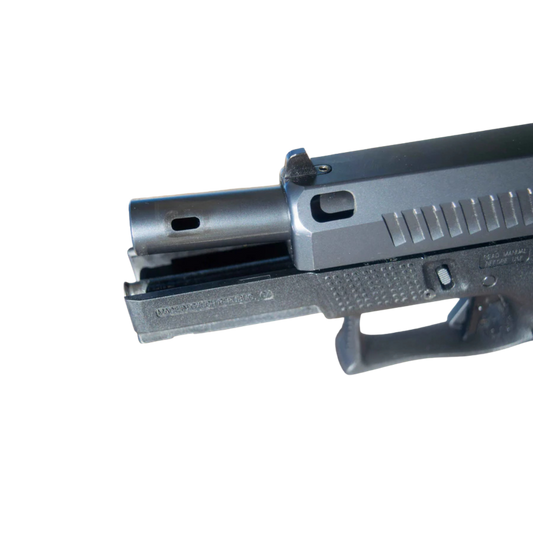
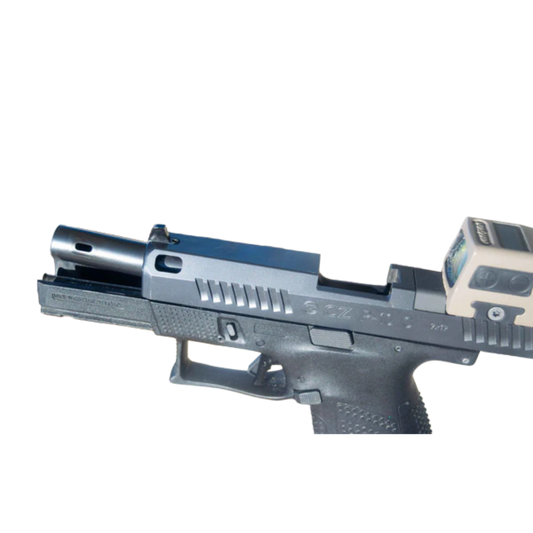
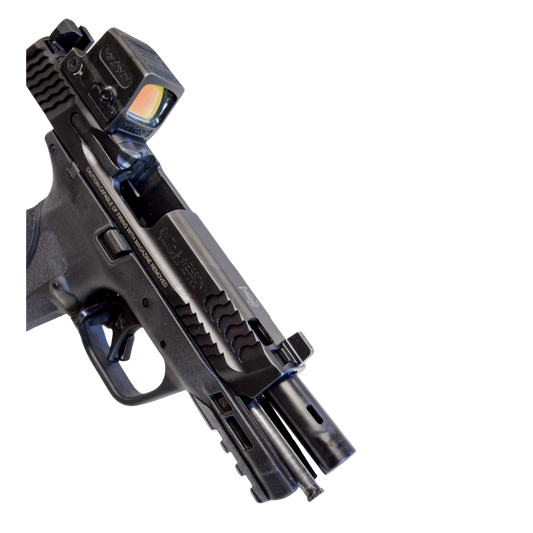
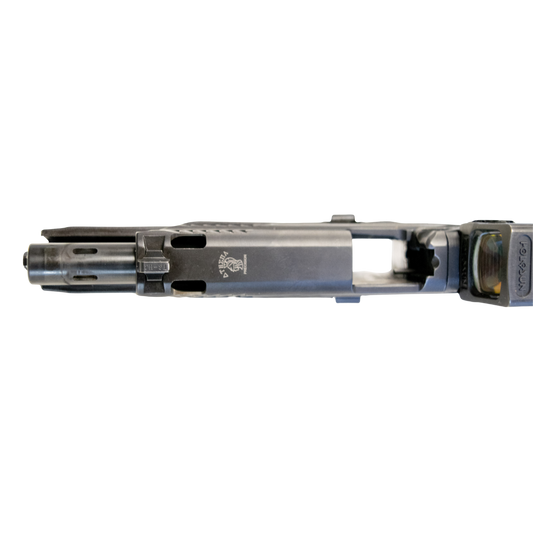
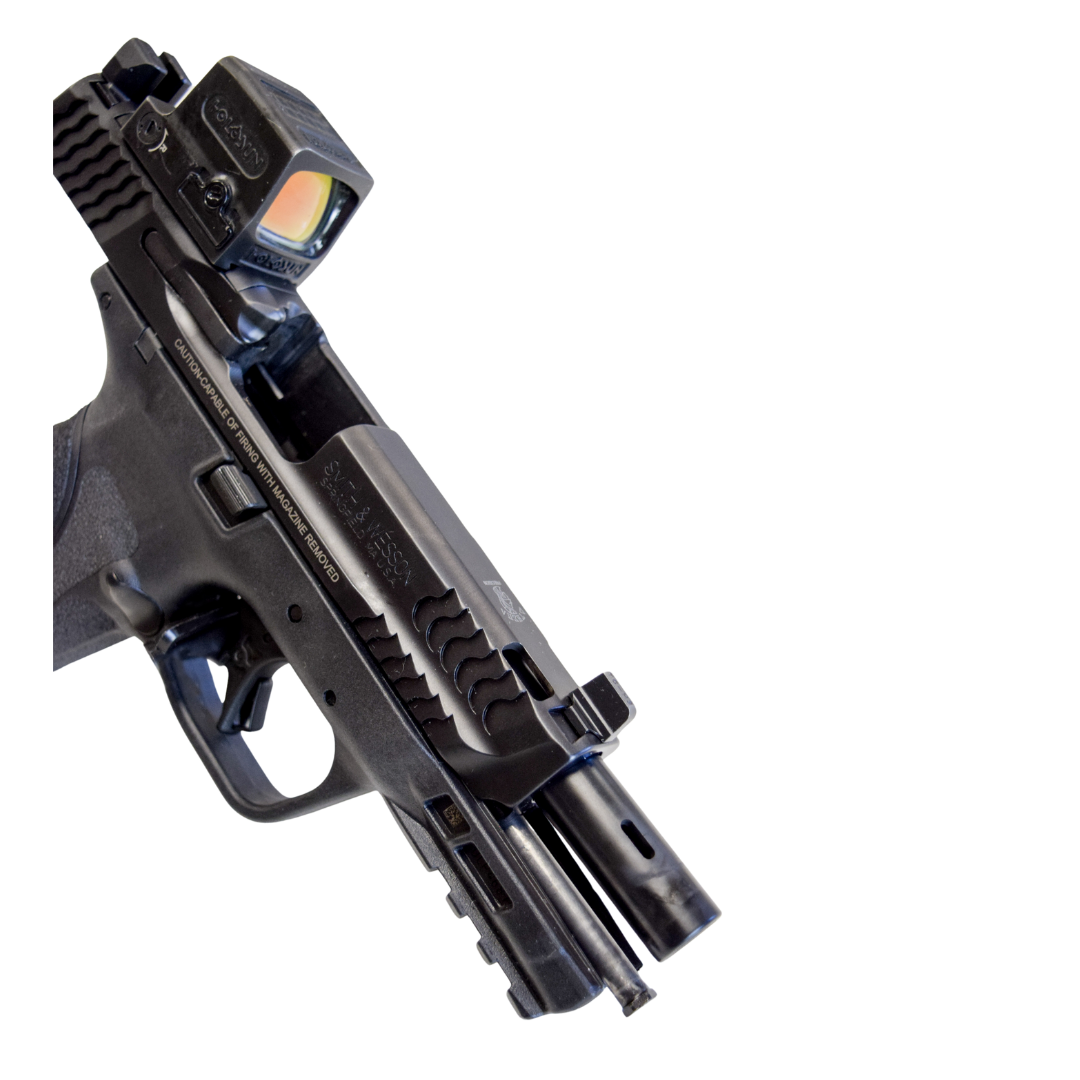
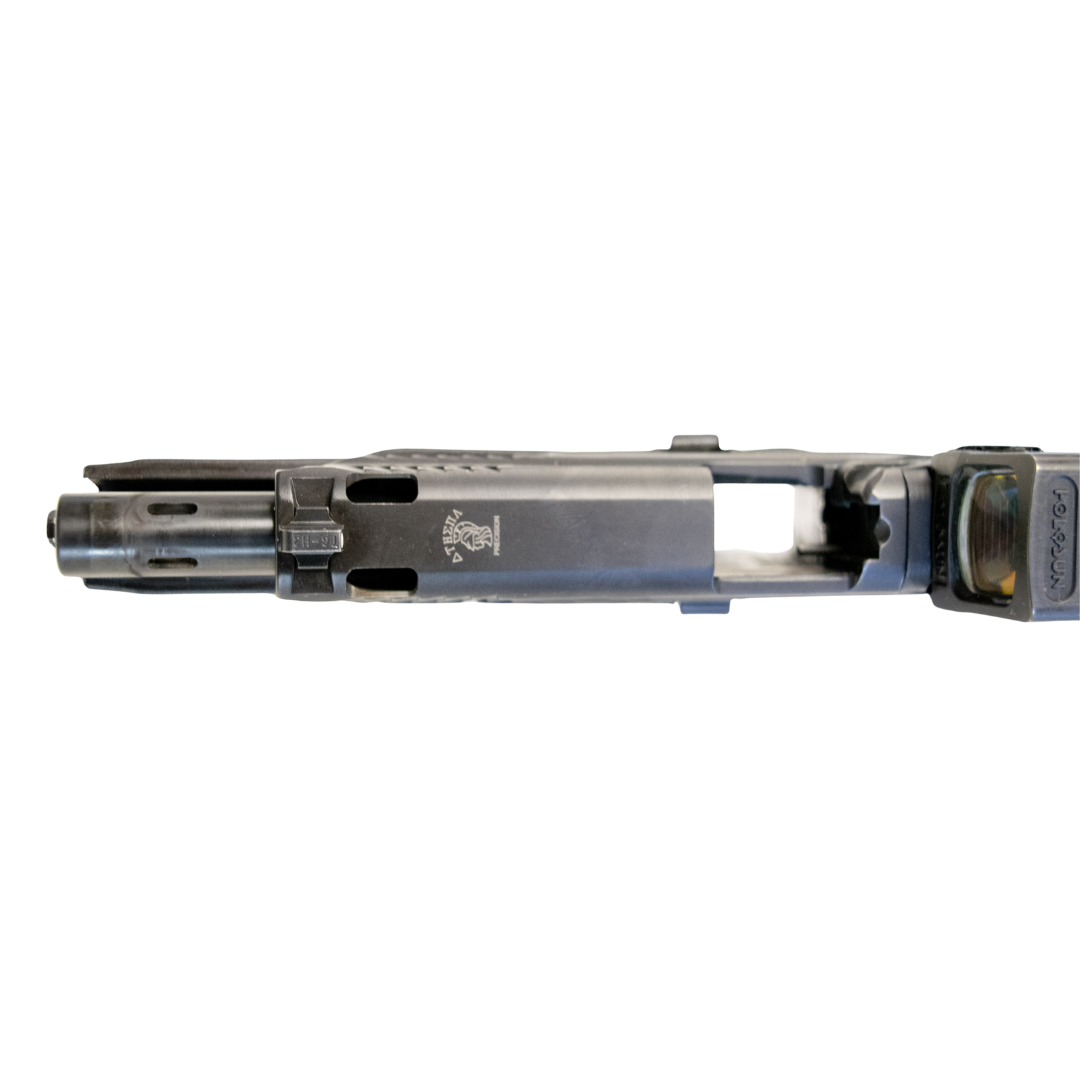
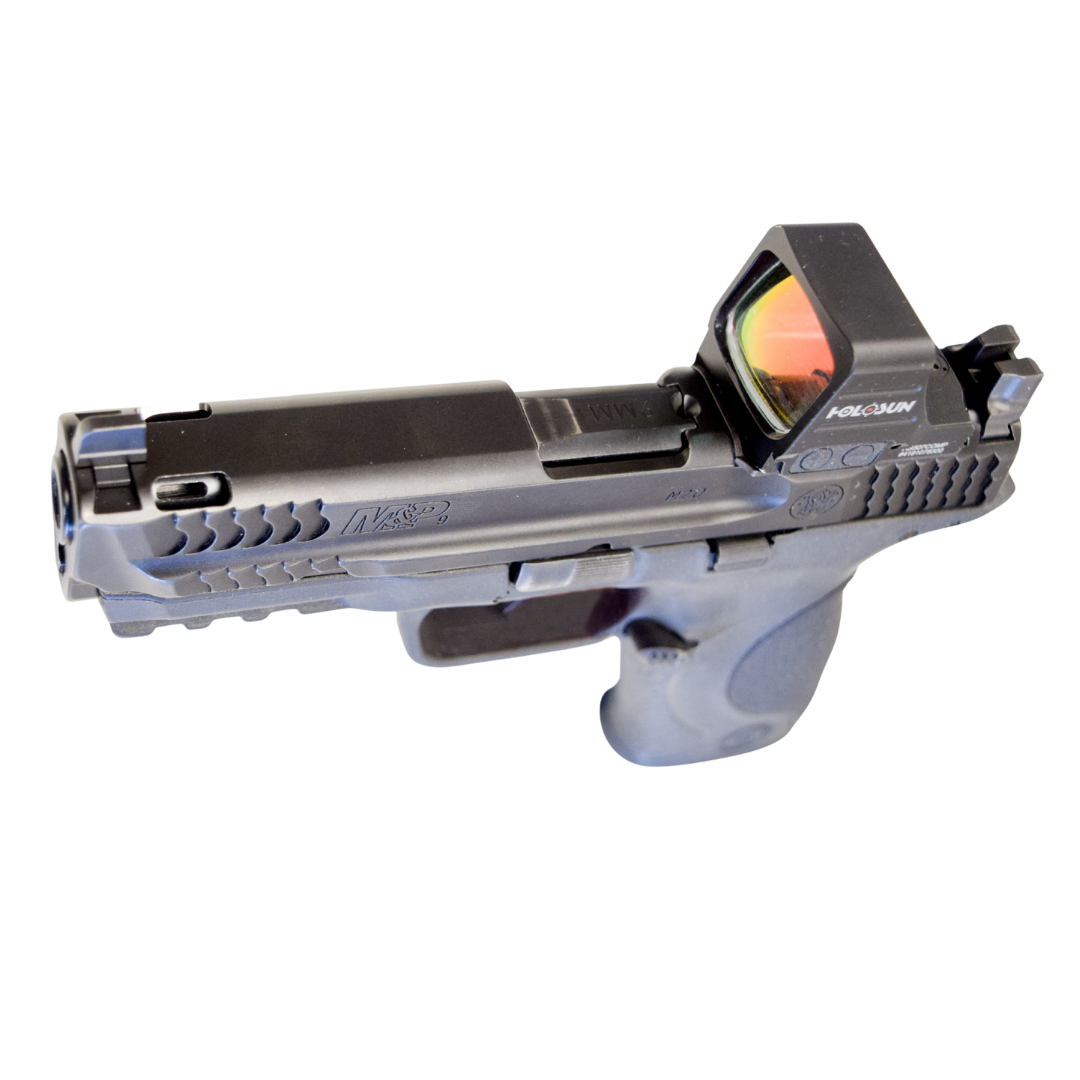
We offer precision barrel and slide porting. Our porting is angled to match the factory look, giving your pistol a clean, OEM-style finish.
All Barrel & Slide Porting
5.0 / 5.0
(2) 2 total reviews
View full details

-
CZ P10 Barrel & Slide Porting
5.0 / 5.0
(5) 5 total reviews
Regular price From $100.00 USDRegular priceUnit price / perSale price From $100.00 USD -
Smith & Wesson M&P Barrel & Slide Porting
5.0 / 5.0
(3) 3 total reviews
Regular price From $100.00 USDRegular priceUnit price / perSale price From $100.00 USD -
H&K VP9 Barrel & Slide Porting
Regular price From $100.00 USDRegular priceUnit price / perSale price From $100.00 USD -
Glock Barrel & Slide Porting
Regular price From $100.00 USDRegular priceUnit price / perSale price From $100.00 USD -
Custom Barrel & Slide Porting
Regular price From $150.00 USDRegular priceUnit price / perSale price From $150.00 USD
FAQ
Barrel & Slide Porting
What is barrel & slide porting?
Barrel and slide porting is the process of machining precision ports into both the barrel and the slide to vent expanding gases upward as the shot fires. Porting both components ensures the ports are properly aligned, allowing gas to escape cleanly and consistently.
This redirected gas counteracts muzzle rise, keeping the pistol flatter during recoil and helping the sights return to target faster between shots.
What are the advantages of barrel & slide porting?
The primary benefit is improved recoil control. By reducing vertical movement, barrel and slide porting allows the gun to settle back into the sight picture more naturally instead of jumping high and forcing a full reset between shots.
Most shooters notice:
- Faster follow-up shots
- Flatter recoil impulse
- Improved control during rapid fire
- Less fatigue during longer shooting sessions
For recoil-sensitive shooters, proper barrel and slide porting can make a pistol significantly easier to shoot well without changing grip or ergonomics.
Are there downsides to barrel & slide porting?
There is no free lunch. Barrel and slide porting can create problems if it’s done excessively or without consideration for reliability.
Excessive porting can lead to:
- Reduced slide energy and cycling issues
- Noticeable loss in bullet velocity
- Reduced hollow-point expansion
For firearms used in defensive, duty, or serious applications, reliability must always come first. Porting should enhance control - not compromise function.
Why does proper barrel & slide porting matter?
Porting is not simply drilling holes. The number of ports, their size, placement, and alignment between the barrel and slide all directly affect how the system behaves.
Well-executed barrel and slide porting vents gas evenly and predictably. Poorly designed porting creates inconsistent recoil, unnecessary velocity loss, and potential reliability issues.
When done correctly, barrel and slide porting delivers measurable performance gains without sacrificing durability or function.
How do you determine the right amount of porting?
The correct porting configuration depends on:
- Barrel length and slide mass
- Ammunition pressure
- Intended use (defensive vs competition)
Defensive pistols require a conservative approach that prioritizes velocity and reliability. Competition and range pistols can tolerate more aggressive porting to maximize recoil reduction.
Porting should always match the firearm’s real-world role.
Will gas and debris exit through the barrel & slide ports?
Yes. That’s the nature of porting.
Gas and small particles vent upward through the ports during firing. This is normal and expected behavior. The concept is similar to gas escaping from the cylinder gap on a revolver.
Ported firearms are safe to operate when used responsibly. Anything you wouldn’t place near a revolver’s cylinder gap should not be placed near barrel and slide ports during live fire.
Is barrel & slide porting worth it?
If faster follow-up shots, better recoil control, and flatter shooting matter to you, barrel and slide porting is a proven performance upgrade.
When done with precision and restraint, it improves how the pistol shoots without sacrificing reliability - provided the system is configured and tuned correctly.
Barrel & Slide Porting That Keeps the Gun Flat
Barrel and slide porting helps control recoil by venting excess gas upward as the round fires. That upward gas pressure works against muzzle rise, keeping the gun flatter through recoil and making it easier to stay on target.
The result is simple: faster sight recovery, quicker follow-up shots, and better control when shooting at speed. Instead of fighting the gun between shots, the pistol settles back into your sight picture naturally.
When porting is done correctly, it improves how the gun shoots without changing how it feels in your hands or compromising reliability. It’s especially noticeable during rapid strings, competition shooting, and longer range sessions where recoil management matters most.
What You’ll Notice When Shooting a Ported Barrel & Slide
- Less muzzle rise during recoil
- Faster return to your sights after each shot
- Smoother, more predictable recoil impulse
- Better control when shooting quickly or under pressure
Why the Details Matter
Porting isn’t just about drilling holes. The size, placement, and alignment of the ports between the barrel and slide all affect how well the system works. Poorly executed porting can feel inconsistent or introduce reliability issues.
Precision-cut barrel and slide porting ensures gas is vented evenly and predictably, preserving accuracy and function while delivering real performance gains you can feel on the first magazine.